A Physiotherapeutic Perspective on Tailbone Pain (Coccydynia) / Coccydynia
Tailbone pain, also known as coccydynia, is a surprisingly common complaint. However, many people continue to live with it because they think it "just goes with the territory." Yet, pain in the tailbone can have a massive impact on your daily life: sitting becomes difficult, standing up hurts, cycling is uncomfortable, and even sleeping can become a challenge. As physiotherapists, we see that tailbone pain is often highly treatable, provided you know where it originates.
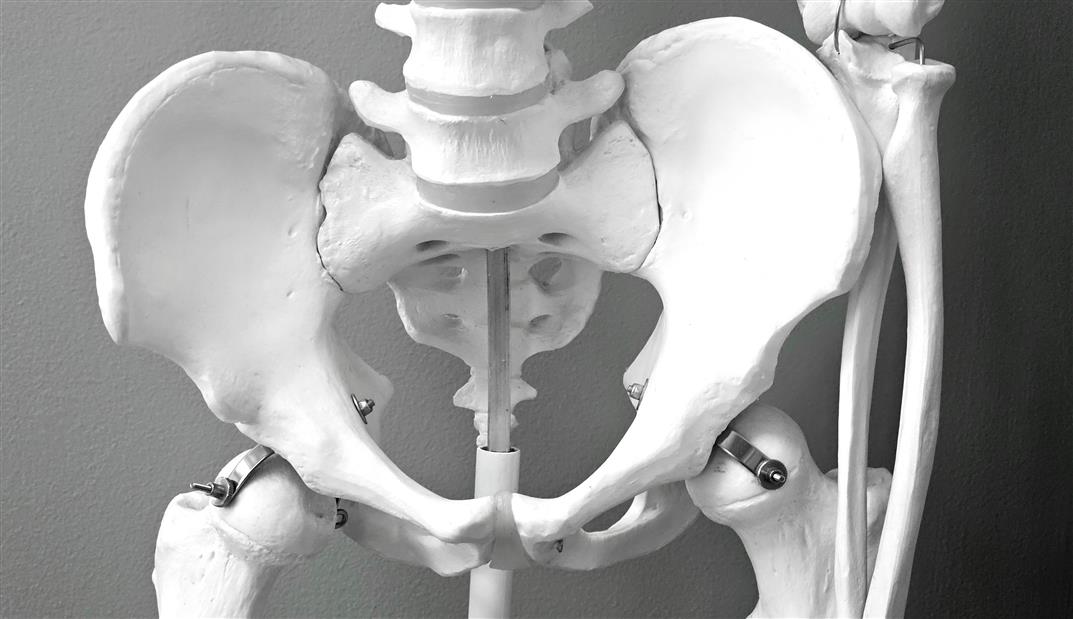
What exactly is tailbone pain? The tailbone (coccyx) is a small bone at the very bottom of the spine. Pain occurs when: The tailbone becomes irritated. The surrounding muscles are overloaded or tense. Prolonged pressure is placed on the coccyx. The area becomes sensitive after a fall or microtrauma.
Tailbone pain can develop acutely, for example after a fall, but it can also develop gradually due to prolonged sitting.
Common causes of tailbone pain:
-Prolonged sitting (working from home, driving, studying): Continuous pressure on the tailbone → irritation → pain when standing up.
-A fall on the buttocks: A bruise or even a minor displacement of the tailbone can cause symptoms that last for weeks or months.
-Pelvic floor tension: Many people are unaware of this, but an overly tense pelvic floor can cause tailbone pain. This is because the tailbone serves as an attachment point for several pelvic floor muscles.
-Pregnancy and childbirth: Hormonal changes and pressure on the pelvis can cause the tailbone to become irritated.
-Staying in the same sitting position for too long: It is not necessarily about "sitting incorrectly," but remaining in the exact same position for too long puts extra pressure on the coccyx.
What a physiotherapist can do for you:
1 Specialized pelvic physiotherapy (Cause: Pelvic floor tension)Because the pelvic floor muscles attach to the tailbone, excessive tension constantly pulls the bone out of alignment. A pelvic physiotherapist helps you consciously learn to relax these muscles through breathing and relaxation exercises.
2 External mobilization / NIM method (Cause: Fall or physical trauma / pregnancy)If the tailbone is slightly displaced or tilted due to a fall or childbirth, a physiotherapist can restore the normal position and mobility of the bone from the outside using a gentle, pain-free technique called Non-Invasive Mobilization (NIM).
3 Trigger point therapy or dry needling (Cause: Muscle overload / irritation and compensation)The muscles around the buttocks and lower back often tense up to protect the painful area. Treating these muscle knots (trigger points) eliminates this secondary tension and pain.
4 Ergonomic lumbar and seating support (Cause: Pressure from sitting / studying / working from home)Directly relieving pressure on the coccyx is essential for recovery. The recommendation is to temporarily use a coccyx cushion with a horseshoe-shaped cutout, allowing the tailbone to float while the pressure is absorbed by the sit bones.